
### Blog Post:
LED strip diffuser solutions are essential if you want smooth, glare-free lighting from your strip lights—at home, in offices, or for custom projects. Even well-made LED strips can look harsh or “dotty” without the right diffuser, and figuring out which type performs best, how to install them, and what to expect in terms of longevity and cost isn’t always straightforward. This guide breaks down everything you need to know to get flawless lighting results.
Key Takeaways
- Not all LED strip diffuser types perform equally—light quality, brightness loss, and installation complexity vary greatly.
- LED density and diffuser distance matter more for spotless results than brand or price.
- Poor setup often results in visible hotspots, wasted energy, and higher long-term costs.
The Core Concept: What Is an LED Strip Diffuser and Why Does It Matter?
An LED strip diffuser is a cover, channel, or enclosure placed over LED strips to reduce glare, eliminate visible “dots,” spread light more evenly, and sometimes add a professional touch to lighting installations. Diffusers come in various materials—like polycarbonate, acrylic, or silicone—and styles such as transparent, frosted, and milky. The main role of a diffuser isn’t just cosmetic. It determines the quality and uniformity of light, impacts overall brightness, and can influence perceived color temperature.
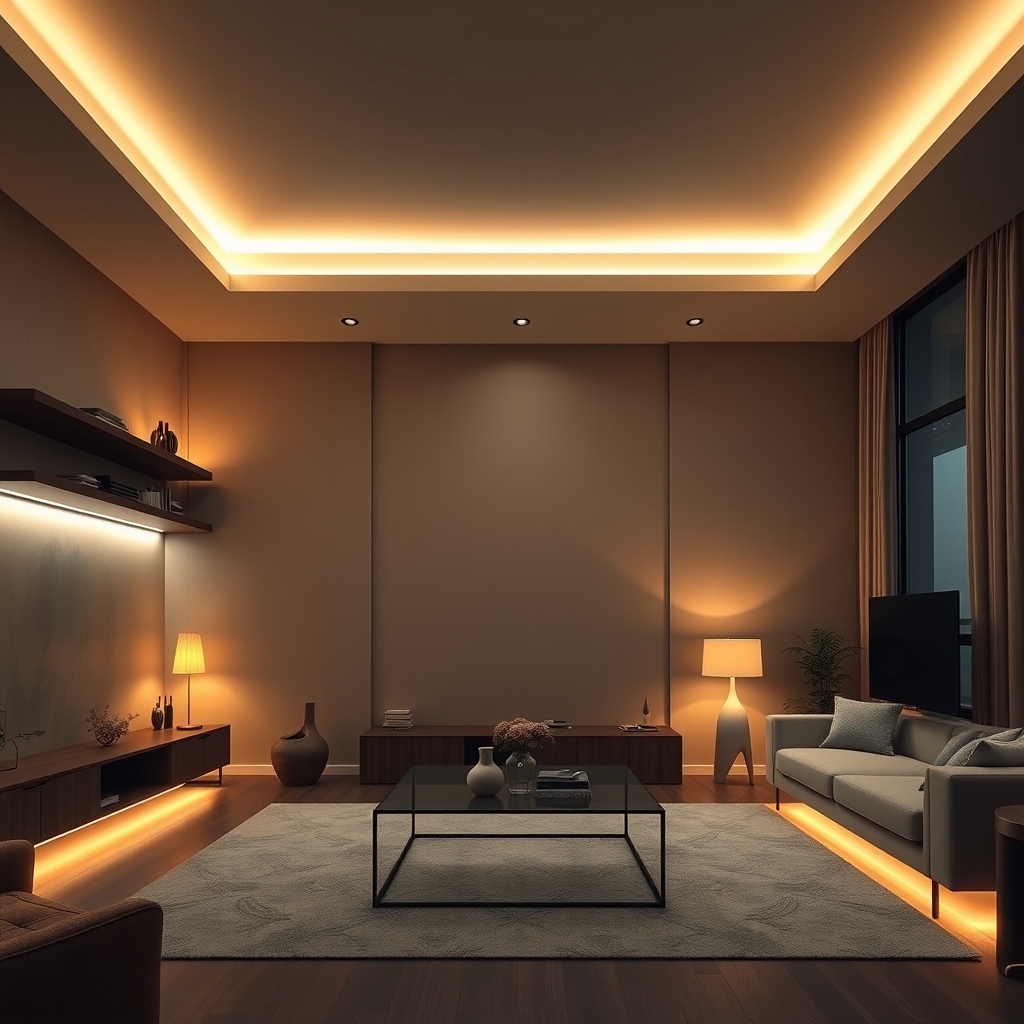
Not all diffusers behave the same way. For instance, a clear cover transmits more light (up to 95%) but does little to hide hotspots. In contrast, a milky diffuser can block up to a third of the light but creates a much smoother effect. The further the diffuser sits from the LED chip, the more seamless the result—but also the greater the brightness loss. Choosing the wrong match for your LEDs or application can lead to a disappointing result, wasting time and money.
For more on choosing diffusers based on your project, see our LED channels vs diffuser covers guide.
Step-by-Step Guide: Achieving Spotless, Even LED Strip Light Diffusion
To get consistent, spot-free LED lighting using diffusers, follow this step-by-step method based on real-world test results:
-
Choose Your LED Strip Appropriately:
- For the most even light, aim for 60 LEDs per meter as your baseline. Anything below this (for example, 30 LEDs/m) usually leaves visible spots, unless you use extra-deep channels.
- If you have access to very dense strips (144 LEDs/m), these are even easier to diffuse but may not fit all channels. Most home setups use 60 LEDs/m for the best trade-off.
-
Select the Right Diffuser Channel:
- There are shallow, deep, and custom aluminum channels. Shallow tented aluminum channels provide effective diffusion for 60 LEDs/m with minimal brightness loss; deep “spotless” channels nearly eliminate all hotspots but drop more brightness.
- Match the inside width (usually about 12mm) and check that your strip will fit without pinching or overheating.
-
Pick the Right Diffuser Material:
- Transparent covers pass up to 95% light but do not diffuse well.
- Frosted (85-90% transmission) and milky (65-70%) options provide better diffusion, giving you a clean light line.
- Consider soft silicone covers for curves, but expect marginally less transmission (70-75%) [source].
-
Ensure Correct Installation Height:
- To avoid seeing LED dots, the height (distance from LEDs to diffuser) should be greater than the spacing between LEDs (33mm+ for 30 LED/m strips).
- For 60 LED/m, most standard channels suffice, but test before finalizing long runs.
-
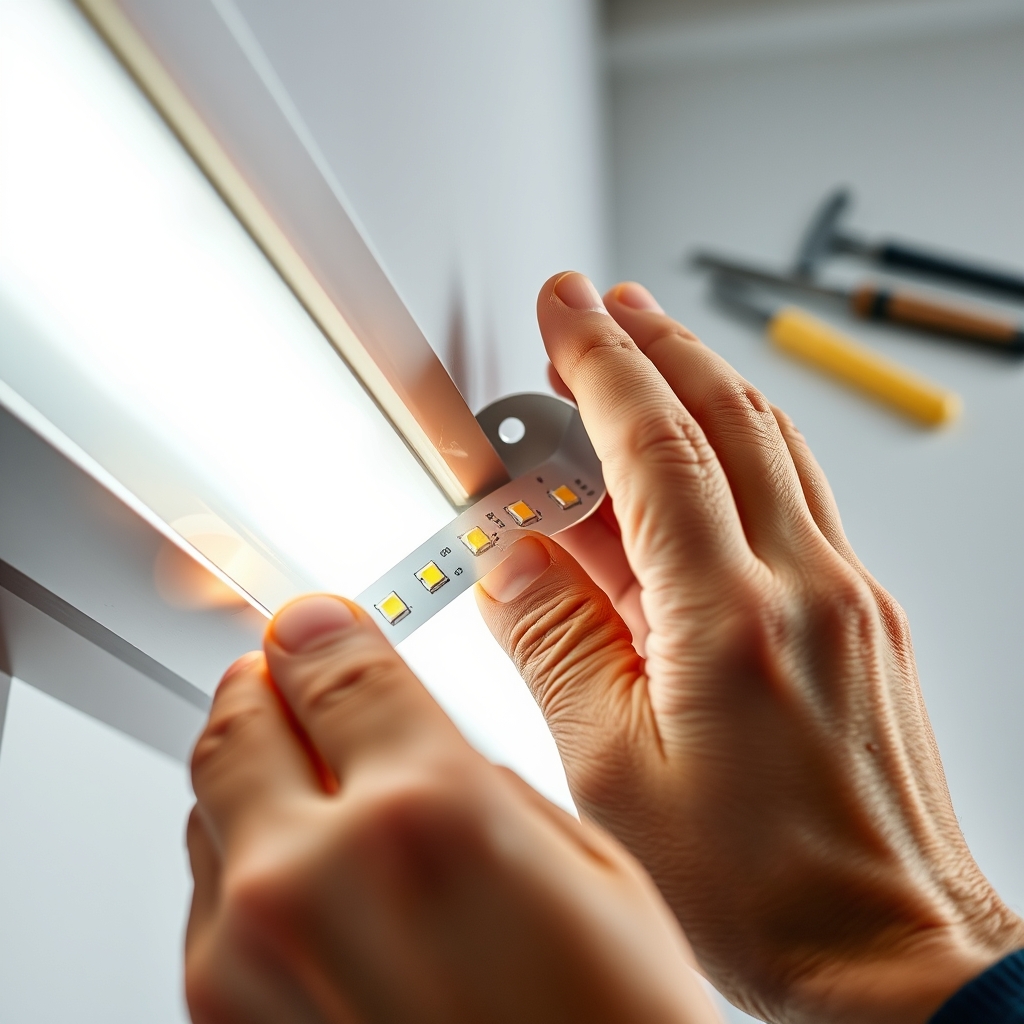
Mount Carefully for Longevity:
- Aluminum channels not only help diffuse light but also serve as heat sinks for better strip lifespan [learn more].
- Secure with screws or strong adhesive pads, especially on ceilings/walls.
- Avoid direct exposure to moisture if not rated for wet locations.
-
Power Sizing & Efficiency:
- Account for a 20% headroom when sizing your power supply to offset brightness loss from diffusion and maintain efficiency [source].
For more actionable advice, check our guide on how to avoid LED hotspots or common LED strip installation mistakes.
Advanced Analysis & Common Pitfalls
Diffusing LED strips effectively is more technical than most guides suggest. Here’s a realistic breakdown of key issues, a comparison table, and how you can match specs for your project.
Common Pitfalls in LED Strip Diffusion
- Hotspots with Low LED Density: 30 LEDs/m strips almost always show visible dots, even with deep, curved or milky diffusers [test details].
- Underpowered Power Supplies: Brightness drops or flicker because budget power supplies can’t compensate for the extra load of diffusers.
- Shallow Channels: Don’t provide enough distance for full diffusion—spotless effects are tough to achieve outside indirect/cove lighting.
- Mismatched Diffuser/LED Pairing: Using an ultra-milky diffuser with low power LEDs results in very dim output.
- Overlooked Mounting Issues: Poor mounting leads to sagging or heat buildup, reducing both aesthetics and strip lifetime.
Comparison Table: How Diffuser Types Compare (source)
| Diffuser Type | Light Transmission (%) | Diffusion Rating | Typical Use | Main Drawback |
|---|---|---|---|---|
| Transparent Polycarbonate | Up to 95% | Poor | Spot-free not required | Visible LED dots |
| Frosted (Acrylic/Polycarbonate) | 85-90% | Moderate | Indirect/cove lighting | Some hotspots in direct view |
| Milky (Acrylic/Polycarbonate) | 65-70% | High | Direct-view/feature lines | 30%+ brightness loss |
| Soft Silicone | 70-75% | Moderate-High | Bends, curves, wet locations | Lower rigidity, slight dimming |
| Microprism | N/A | Very High (Wide Beam) | Architectural, glare-critical | Cost, tricky installation |
Long-Term Performance, Cost, and Lifetime
While transparent channels are less expensive, they rarely deliver the “spotless” look that many homeowners and designers want. Deep spotless channels and milky covers can cost twice as much, especially when paired with premium LED strips. Aluminum channels cost more upfront but protect strips, reduce heat, and lower the risk of rework over time [see channel pros/cons].
For budget-sensitive installs, check our guide to budget LED strip projects. For more details on deeper architectural builds, explore commercial LED strip installation guide.
Conclusion: Are LED Strip Diffusers Worth It?
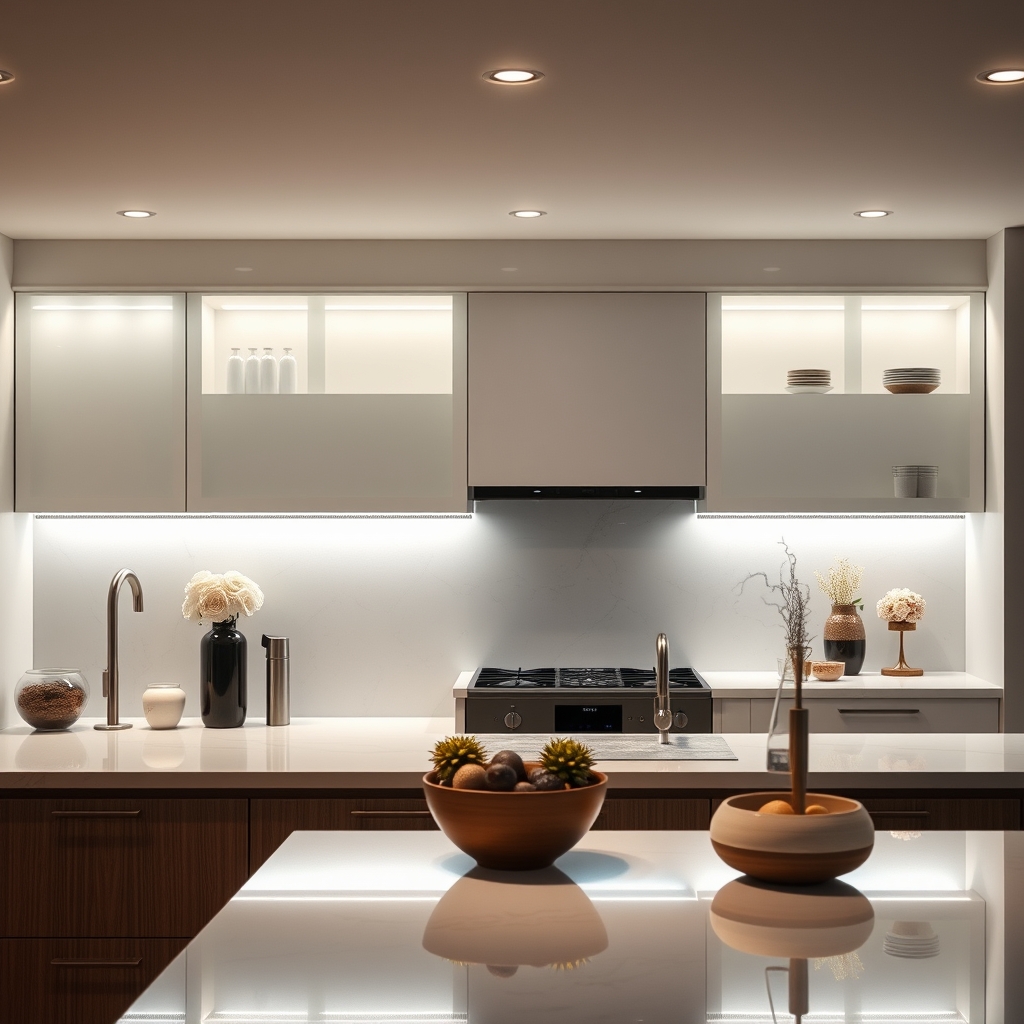
The right LED strip diffuser transforms harsh, uneven LED lines into elegant, glare-free illumination—essential for residential, retail, and office spaces. If you match LED density to the channel and diffuser type, you’ll avoid most performance issues and headaches. Opt for aluminum channels for longevity, keep your power supply slightly oversized, and always test before final mounting. Above all, don’t chase the cheapest solution if you care about looks or lifespan. For further reading, review our deep dives on LED diffuser materials explained.
Ready to upgrade your lighting? Start by checking our most popular best LED strip light channels or tell us about your next LED strip diffuser project for personalized advice!
FAQ: LED Strip Diffusers
How do I avoid seeing dots or hotspots in my LED strip install?
Use at least 60 LEDs per meter and choose a milky or deep channel diffuser. Ensure the diffuser height is greater than the spacing between LEDs (ideally over 33mm for 30 LEDs/m) to prevent visible points of light.
What’s the difference between polycarbonate, acrylic, and silicone diffusers?
Polycarbonate and acrylic are rigid and offer varying degrees of transparency or diffusion. Silicone is flexible and best for curved or odd-shaped installs but slightly less efficient at transmitting light (70-75%).
How much brightness will I lose using a diffuser?
Losses depend on type: transparent covers lose about 5%, frosted 10-15%, milky up to 35%, and deep “spotless” channels with low-density LEDs can lower brightness by over half. Always size your power and LEDs accordingly.
Can I use a DIY diffuser instead of an aluminum channel?
DIY tricks like semi-translucent plastics or double-layer films work, but usually don’t look as neat or last as long. Aluminum channels also protect your strips and help with heat dissipation, improving overall lifespan.
How much do LED strip diffusers cost?
Basic low-profile channels start at just a few dollars per meter, while deep, spotless, or designer-grade channels can run two or three times more. For most home installs, expect $3-$10 per meter plus LED strips and power.
—