


### Blog Post:
Acoustic panel decor is a smart way to transform bland spaces into beautiful, sound-optimized environments—whether you work from home, manage a modern office, or simply want a quieter living room. Done right, these panels can boost style, comfort, and even productivity. But picking, installing, and styling them well takes more than buying the first panels you find.
Key Takeaways
- Acoustic panel decor is rapidly evolving—combining sound absorption with artistic design for homes and commercial spaces.
- The 2024 global acoustic panel market is booming, fueled by hotels, retail, and office demand, with eco-friendly PET panels gaining ground.
- Effective decor requires careful planning—common mistakes include poor placement, ignoring aesthetics, and skipping technical checks.
- The Core Concept: What Is Acoustic Panel Decor and Why Use It?
- Step-by-Step Guide: How to Use Acoustic Panels for Stylish Decor
- Advanced Analysis & Common Pitfalls
- Conclusion
- FAQ
The Core Concept: What Is Acoustic Panel Decor and Why Use It?
Acoustic panel decor blends sound absorption with interior design. These panels aren’t just foam stuck to the wall—they come in many colors, shapes, and finishes. Acoustic panels manage unwanted echo, improve speech clarity, and reduce distractions. They are critical for open offices, restaurants, home theaters, and anywhere noise matters. Today, they’re designed to be attractive, doubling as wall art.
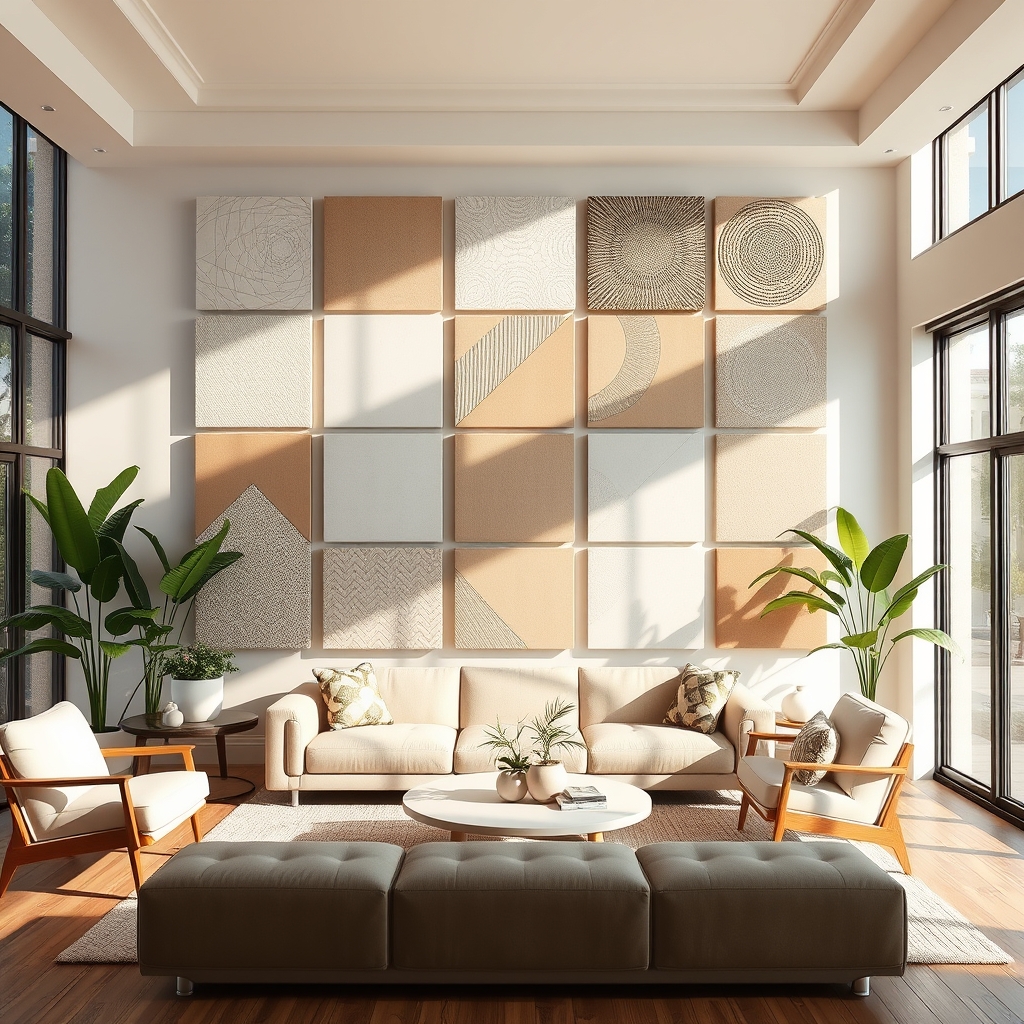
The 2024 global acoustic panel market is set to climb to $20.1 billion by 2030, with a significant push from commercial buildings investing to improve ambiance and reduce stress for employees and guests. Innovative panels made from PET (recycled plastic) are on the rise, prized for sustainability and creative potential.
If you want to create a productive, comfortable, and visually engaging space, acoustic panel decor is a realistic, practical upgrade. These panels don’t just work—they can become a design centerpiece.
Step-by-Step Guide: How to Use Acoustic Panels for Stylish Decor
To get the best out of your acoustic panel decor, follow these steps—avoiding common pitfalls and unlocking the full acoustic (and visual!) potential of your room.
- Identify the biggest noise problems. Use a noise meter app, or simply clap in the room—notice lingering echoes. Key risks: hard surfaces, high ceilings, and lots of glass. Pinpoint high-traffic areas, open corners, and wall spaces opposite windows.
- Choose panel types for your need and décor style. PET panels are popular for eco appeal, but fabric-wrapped, wood veneer, or even custom-printed options exist. Look for panels that complement your furnishings. For a detailed breakdown of material trends, the PET Acoustic Panels Market Report highlights emerging sustainable choices.
- Measure your space—don’t guess! Calculate surface area for each wall and ceiling you want to treat. Generally, covering 15–30% of the primary reflection surfaces is effective for most rooms. Avoid over-insulating (it can dampen the room too much).
- Design your panel arrangement for both function and looks. Create groupings, patterns, or geometric layouts. Use contrasting colors or prints for a striking feature wall. For workspace use, focus first on the wall behind desks and sources of noise.
- Acquire panels and installation hardware. Check the specs: fire resistance, thickness, mounting options (adhesive, screws, Z-clips), and color fastness. Remember, PET panels often have solid fire and acoustic ratings, but always verify.
- Test with a small batch first. Temporarily mount a section (with removable adhesive or pins) and listen for improvement. Measure reverberation if you can for before-after comparison.
- Install permanently once satisfied. Use a level, drill, and wall anchors as needed. Don’t skip instructions for your specific brand—heavy or fabric-wrapped panels might require two people for safe installation.
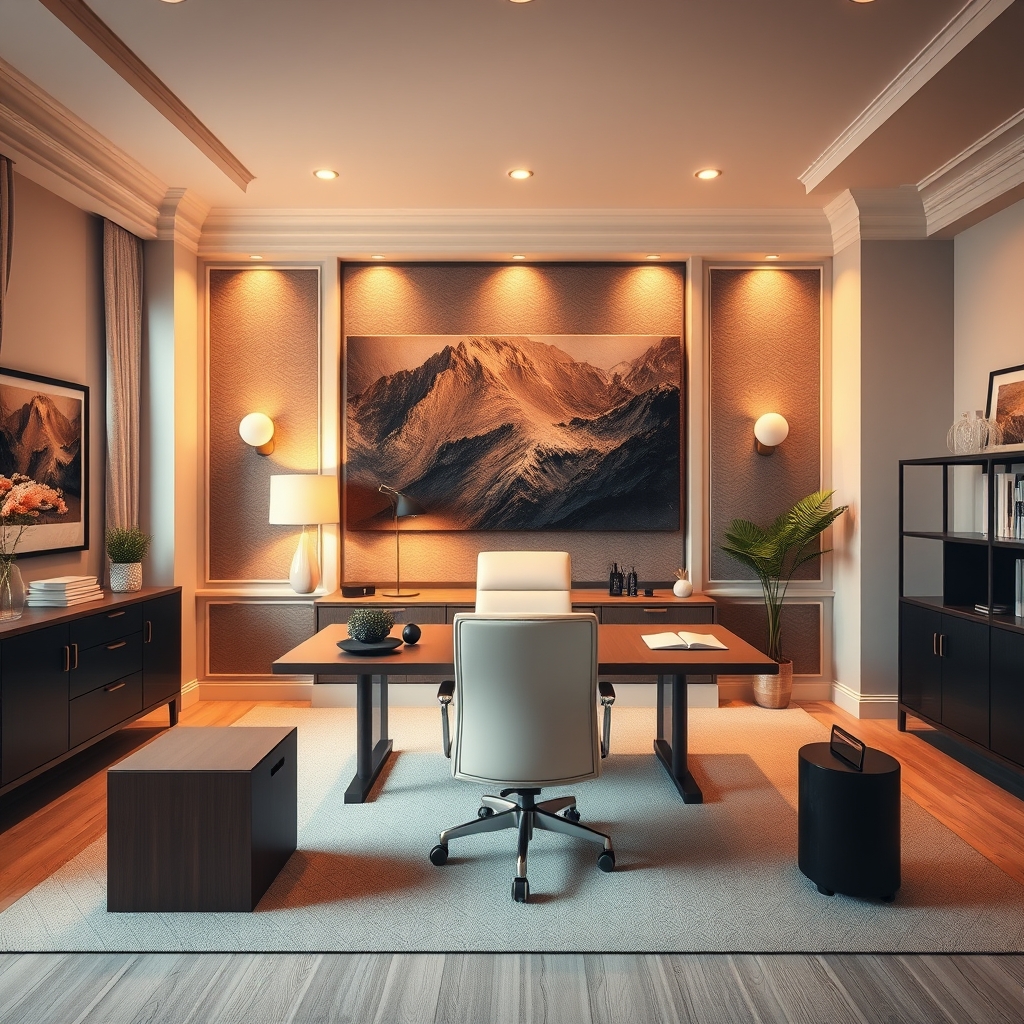
- Finish with decorative accents. Surround your panels with accent lighting, art, or floating shelves to unify the room’s aesthetics. Refer to our guide on home office acoustics for curated décor inspirations.
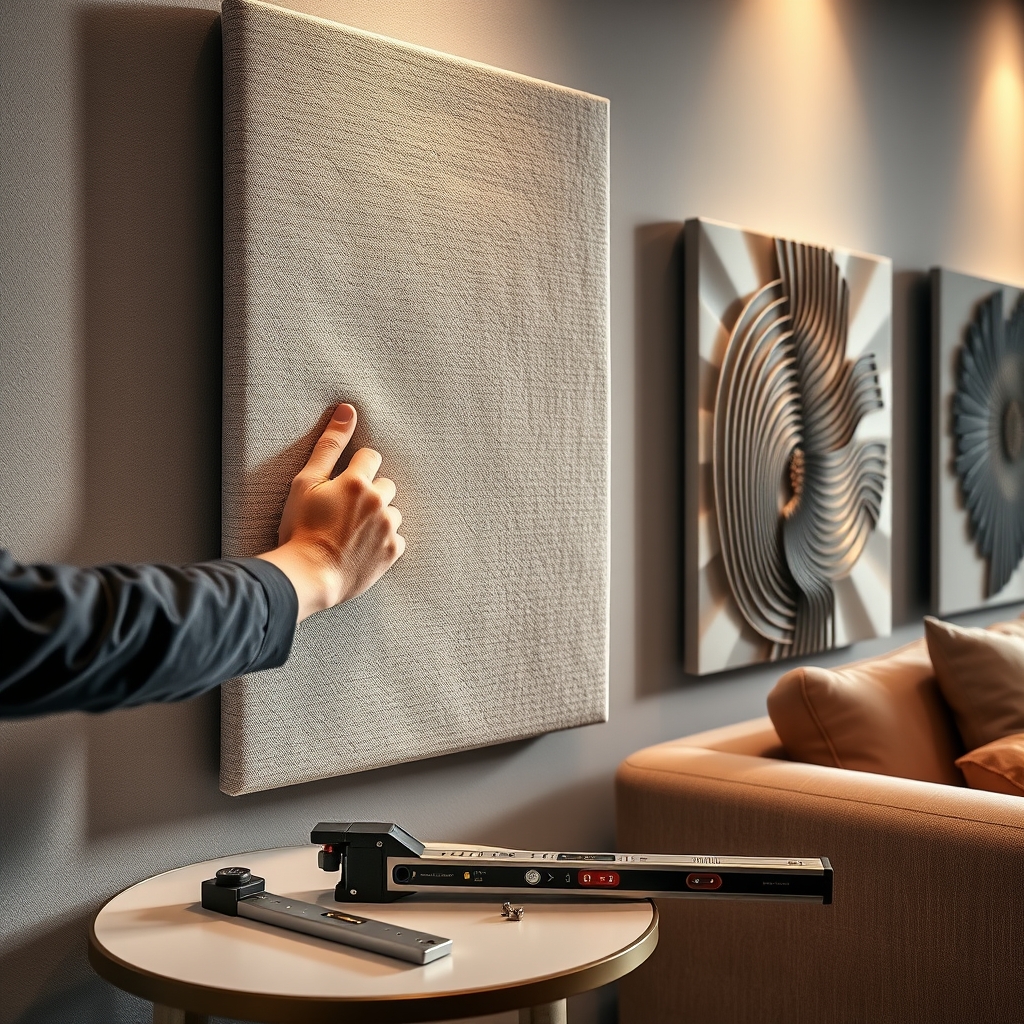
Want more creative ways to use panels? Consider mounting panels asymmetrically or mixing panel shapes for a less formal, more dynamic look. For home theaters and music rooms, ceiling clouds and bass traps can take your sound—and style—a step further. For best results, always reference trusted sources like our acoustic treatment guide or check our roundup of the best decorative acoustic panels.
Advanced Analysis & Common Pitfalls
Decorative acoustic panels are a solid investment—but only if you avoid these realistic mistakes. Below, we compare key market metrics and common pitfalls to consider:
| Factor | Best Practice | Common Pitfall |
|---|---|---|
| Placement | Target first reflections and noisy hotspots; measure, plan out patterns. | Slapping panels randomly or uneven spacing—reducing effectiveness and creating a cluttered look. |
| Product Specs | Check NRC rating, thickness, and fire safety details from manufacturer. | Ignoring or assuming acoustic ratings—some stylish panels are decorative only, with minimal noise control function. |
| Integration with Decor | Blend or contrast panels with room colors and texture; use lighting for effect. | Forgetting about style—ends up looking unfinished, institutional, or accidental. |
| Cost Planning | Budget for panels, hardware, and potential labor costs; get quotes when ordering large quantities. | Surprise overages due to skipped measurements, hardware needs, or labor-for-hire. |
| Maintenance | Choose wipe-clean or dust-resistant panels for high-traffic, visible spots. | Selecting high-maintenance fabric or fiber in kitchens or entryways where stains cause headaches. |
Recent market analysis shows growth in the PET acoustic panels segment, with North America accounting for 40% of global revenue (source). The commercial sector—especially offices, hotels, and retail—has been especially enthusiastic about sound control combined with creative wall features. But, beware: commercial panels may not always suit residential budgets or mounting surfaces, so always request performance data before buying in bulk.
For a closer look at acoustic market growth, tools, and trends, visit the architectural acoustic panels industry report. When in doubt, ask suppliers for actual NRC test results (not just promises of “superior” performance) and confirmation that the panel’s finish matches your demands for both safety and cleaning.
Conclusion
Decorating with acoustic panels is more than just an acoustic fix—it’s a way to transform ordinary rooms into beautiful, comfortable, and focused spaces. As the market keeps expanding and new materials rise in popularity, acoustic panel decor offers a high-impact solution for both noise and design challenges. If you want to create a calm, striking environment, start planning your acoustic panel decor project today and avoid the costly mistakes others make.
Ready to take control of your sound and style? Explore our expert guides on home theater acoustic panels, compare options, and get started with a plan that works for your budget and needs.
FAQ
Can I install acoustic panel decor myself?
Yes—many acoustic panels are designed for DIY installation, especially lightweight options with adhesive backing. However, larger or heavier panels, or installations requiring precise alignment, may need two people or professional help. Always check manufacturer instructions.
Do acoustic panels work for both echo reduction and soundproofing?
Decorative acoustic panels absorb echo and improve clarity, but they don’t fully soundproof a room. For blocking sound transmission (like between apartments), additional measures—such as mass loaded vinyl or double-stud walls—are needed. See our soundproofing vs acoustic treatment guide for details.
What materials are best for stylish yet functional acoustic panels?
PET (recycled plastic) panels are popular for a blend of eco-friendliness and modern style. Fabric-wrapped fiberglass, wood veneer, and even felt are excellent for both performance and design flexibility. Always check NRC ratings for proven absorption.
How much wall coverage do I really need?
It depends on your room’s purpose and issues. Offices and home theaters generally need 15–30% of first reflection points covered for noticeable improvement. It’s best to test in stages and listen to the before/after difference before committing fully.
Where can I see more creative acoustic panel decor ideas?
Browse our inspiration gallery in the best decorative acoustic panels guide, or check our curated room designs in our home office acoustics section for unique patterns and combinations.