


Sensory room for adults is a practical tool backed by recent research to help manage stress, anxiety, and sensory overload. Whether you want deep relaxation, mood improvement, or simply a private retreat, understanding how—and why—these rooms work makes all the difference. Explore the latest benefits, plan your own setup step by step, and avoid the most common mistakes adult users make.
Key Takeaways
- Sensory rooms for adults deliver evidence-based reductions in stress and anxiety, with up to 42% improvement in anxiety scores.
- Personalization and accessibility are essential—customize sensory input, seating, and lighting for adult users’ diverse needs.
- Set realistic expectations: Not every room delivers magical mood changes, and pitfalls like poor lighting or over-stimulation are common but avoidable.
The Core Concept
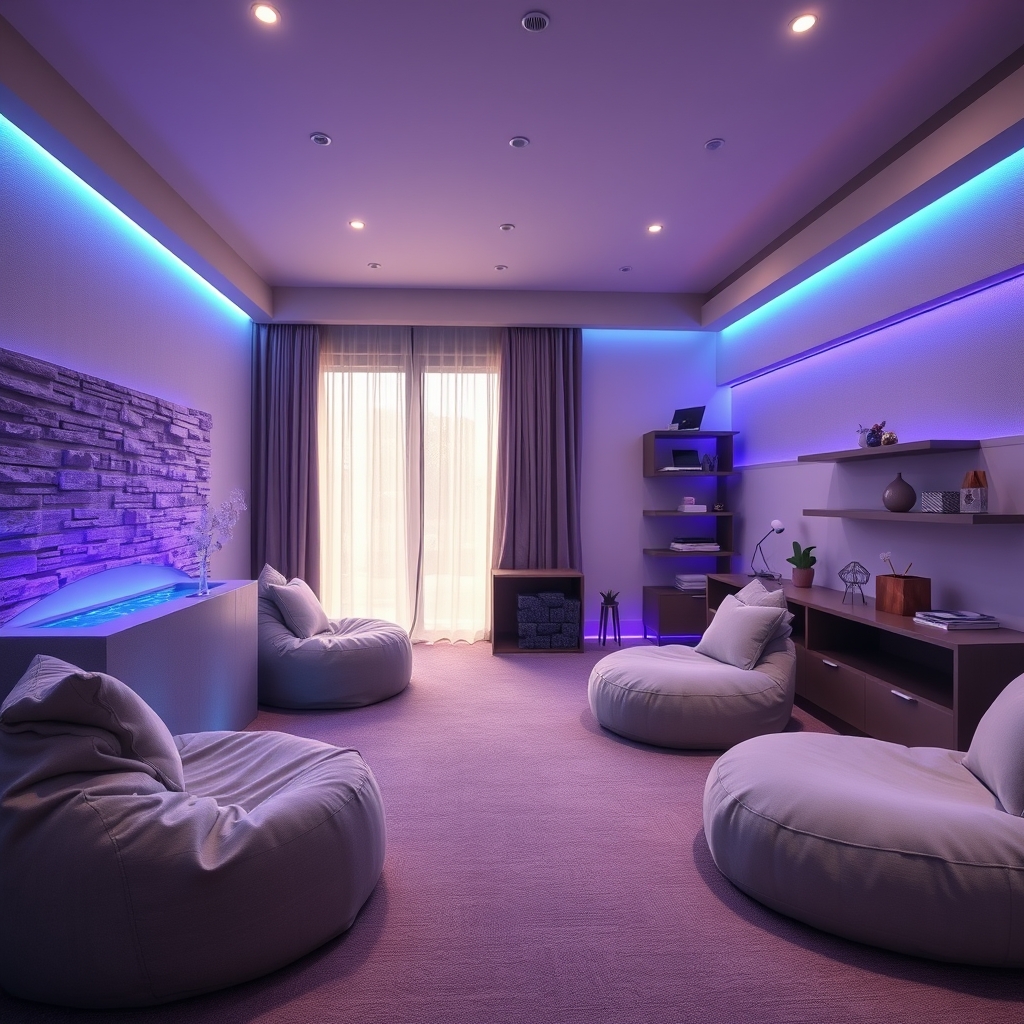
A sensory room for adults is a controlled space designed to deliver specific sensory experiences—light, sound, scent, texture—that help regulate stress, anxiety, and emotional imbalances. Unlike children’s play-oriented sensory spaces, adult-focused rooms target relaxation, mood stabilization, and self-awareness, using evidence-backed features that improve vagal tone, sleep, and wellbeing. Studies from 2022-2024 have confirmed meaningful improvements in stress (reducing by over 3 points on 0-40 scales), mood stabilization, and even psychiatric symptoms for a wide range of adults, from those with mental health needs to everyday people seeking calm and focus. Such rooms are adaptable, supporting single use, social interaction, and therapeutic engagement in care settings or at home.
Recent research shows that personalizing the arrangement—through flexible seating, adjustable lights, and multitextured items—magnifies the effect and helps more adults participate meaningfully.
Step-by-Step Guide
Building a sensory room for adults requires more than buying a few mood lights online. Careful planning, sensory customization, and ongoing adjustment matter most. The following steps are based on current best practices and the latest outcomes data.
-
Choose Your Space and Soundproof
Pick the quietest, most private room available—a basement nook, spare bedroom, or office. Use heavy curtains, door seals, or rugs to minimize outside noise. Some adults report that background sounds from adjacent rooms can break the relaxing effect. -
Select Adjustable Lighting
Dimmable LEDs, soft lanterns, or bubble lamps offer flexible light levels. Explore lighting options that allow granular control—this lets each user define their comfort zone and avoids over- or under-stimulation, issues noted in studies. -
Add Multi-Sensory Elements
Layer in soft seating (beanbags, reclining chairs), tactile wall panels, and objects like fidget tools, weighted blankets, or textured fabrics. Scent diffusers (with calming oils like lavender) and speakers for white noise or low-tempo music add depth. Prioritize easy-to-clean options. For adults with physical or sensory processing needs, focus on items safe for fragile skin and joints. -
Plan for Customization and Safety
Make every element adjustable: lamp levels, sound volume, seat type, and scent exposure. Avoid fixed installations unless medically necessary. Ensure at least two seat types for different mobility levels, along with an unobstructed exit path. See common accessibility improvements here. -
Control for Triggers and Overload
Adults report that too many simultaneous stimuli (like bright lights and loud sounds) can increase anxiety. Test each element individually before combining, and collect regular feedback. Use a reset button—literally (a remote control) or by design—that can instantly neutralize all effects if someone feels overwhelmed. -
Establish a Use Routine
Set time limits (15–30 minutes per session recommended). Develop clear room rules if shared—turning off devices, cleaning up, and recording sensations afterward in a log. Research shows routines yield the best results in both anxiety reduction and mood stabilization.
Consider linking with other wellness routines, like guided breathing. -
Iterate and Upgrade
Start basic, then add specialist options—interactive projectors, bubble tubes, or light-up boards—as you discover what works best. See a full checklist of popular items, and review professional-grade components here.
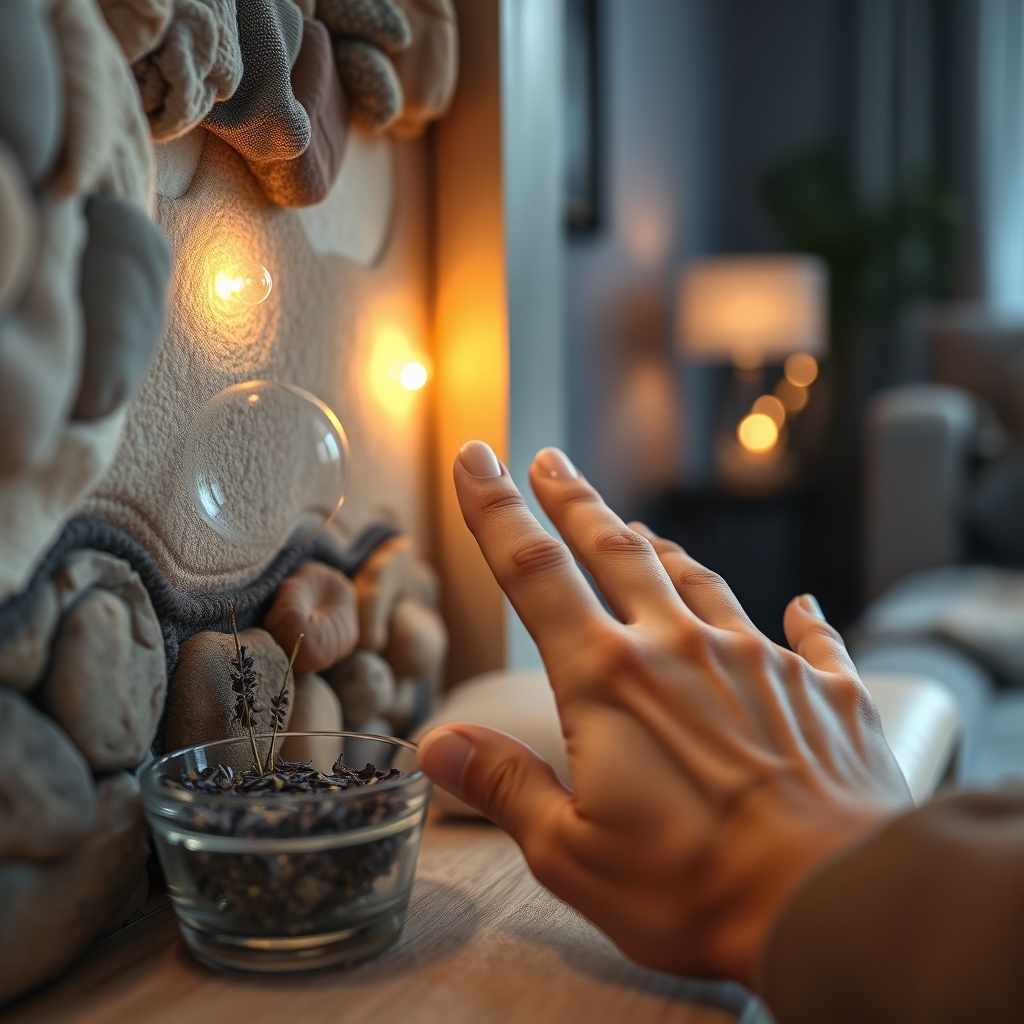
For more detailed plans, Ability-Works compares different options and offers practical advice for both home and shared environments.
Advanced Analysis & Common Pitfalls
While sensory rooms have documented benefits, real-world issues can dramatically reduce their effectiveness or even create new stressors. Here are the main pitfalls and solutions, plus an at-a-glance table for fast troubleshooting.
| Pitfall | Impact | Better Approach |
|---|---|---|
| Overly Stimulating Setup | Can cause anxiety or restlessness; defeats calming purpose | Add items gradually; limit to three active effects per session; solicit feedback. |
| Poor Accessibility (mobility, seating, exits) | Prevents access or causes discomfort for those with physical limitations | Provide varied seat heights, clear walkways, and exits; read accessibility guide. |
| Fixed Lighting (too bright/dim) | Causes headaches or fails to relax, especially for those with migraines or PTSD | Use adjustable, dimmable lighting and trial different warmths/colors. |
| Lack of Sensory Customization | Misses needs for tactile, olfactory, or auditory preferences; users disengage | Offer swappable sensory objects, multiple music/soundtrack choices, scent options. |
| Vague Routine (or no rules) | Leads to inconsistent use; weaker results | Set a schedule; provide guidelines for cleanup and device use. |
Studies also show mixed or minor results for negative mood, seclusion rates, and attentional performance, especially when compared to other quiet spaces
(full study details).
Adult sensory room projects are still learning from accessibility gaps—including mobility, neurodiversity, and emergency standards—that most home guides skip entirely. Lastly, cost details for comprehensive DIY projects can be hard to predict; we’ve detailed how to establish a practical sensory room budget to avoid hidden expenses.
Conclusion
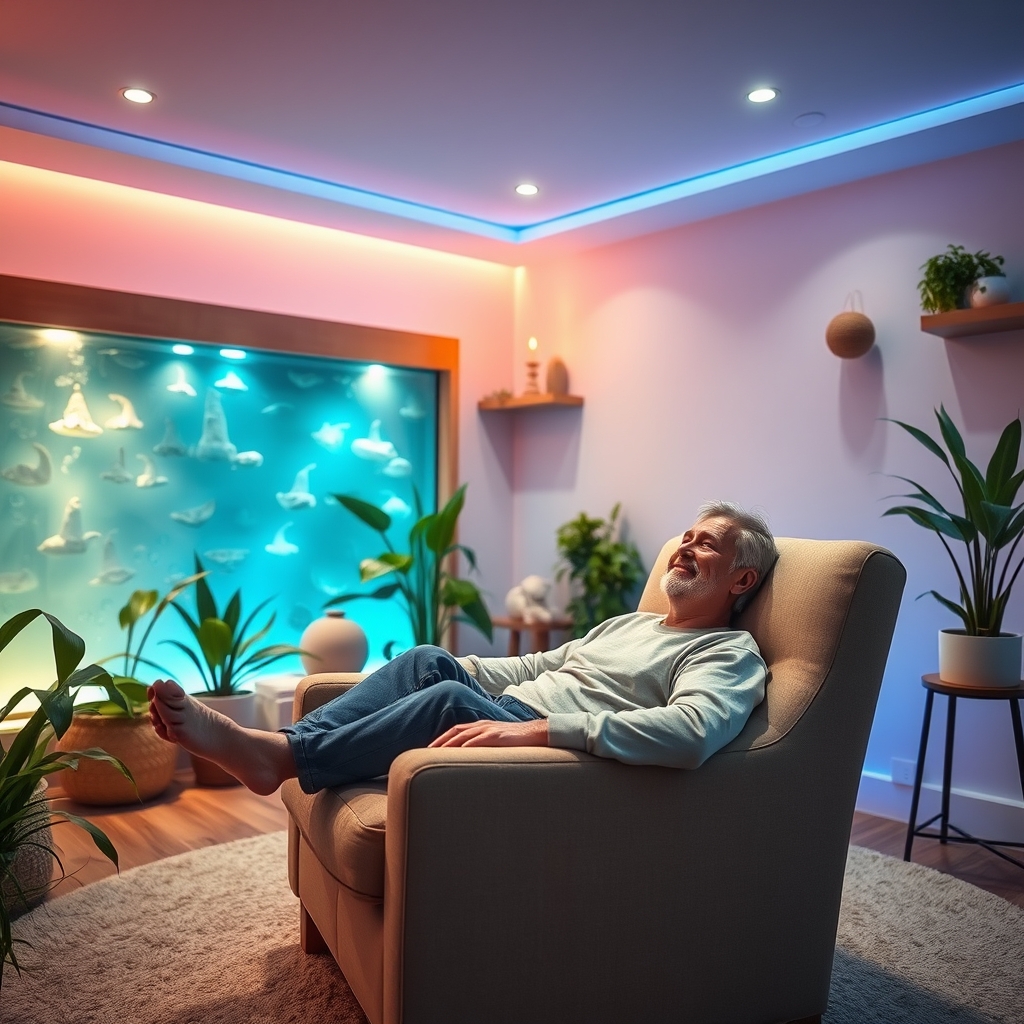
A well-designed sensory room for adults is one of the most accessible, research-based wellness tools available today. With careful selection of lighting, sound, and tactile elements—and relentless focus on accessibility—adults across all backgrounds can benefit from reduced anxiety, improved mood, and greater self-regulation. Keep your setup simple, listen to users’ feedback, and iterate over time. Ready to transform your space? Discover more advanced sensory room upgrades for adults here and start building your own sanctuary.
Questions? Wondering if a sensory room for adults fits your needs? Let us know in the comments or try a starter plan today.
FAQ
Do sensory rooms for adults really work?
Yes, according to recent studies, sensory rooms for adults have shown real reductions in stress and anxiety (30–42% improvement reported). Individual results vary, and rooms should be tailored to the user’s needs for best outcomes. See the latest research here.
What should I avoid when designing a sensory room?
Avoid overloading the room with too many lights, sounds, or textures at once. Don’t ignore accessibility features (like varied seating and easy exits). Test each element before making it permanent. For practical beginner advice, see our DIY sensory room checklist.
How much does a DIY sensory room for adults cost?
Costs vary widely. A simple sensory room can start for $200–$300, mainly for adjustable lighting, sound equipment, and soft seating. Advanced features like interactive projectors and bubble tubes will cost more. For breakdowns, check our budgeting guide.
Can sensory rooms benefit adults without diagnosed conditions?
Yes. Many adults use sensory rooms for stress management, relaxation, or focus—even without a clinical diagnosis. Benefits reported include better sleep, mood, and emotional self-awareness.
What’s the difference between a DIY and a professional sensory room?
Professional sensory rooms often include integrated automation, full clinical accessibility, and long-term support. DIY rooms allow more flexibility and lower costs but may miss specialist features (like advanced safety systems or certified sensory equipment). Learn more about DIY vs. professional sensory rooms here.