


### Blog Post:
Cyberpunk room setup ideas are taking over modern interiors, blending vivid neon lighting with futuristic tech and retro touches to create spaces pulled straight from a sci-fi world. Whether you want a gaming haven, a creative workspace, or a lounge packed with futuristic energy, crafting this vibe demands smart design and attention to detail. Done right, it’s immersive and inspiring. But achieving that perfect cyberpunk look can come with overlooked obstacles—here’s what you need to know to make your setup shine.
Key Takeaways
- Cyberpunk room setups mix neon lighting, smart technology, and bold colors for a unique, immersive space.
- Start with layered lighting, metallic accents, and geometric furniture for immediate impact.
- Watch out for power needs, compatibility headaches, and maintenance issues with advanced tech and lighting.
- The Core Concept: What Makes a Cyberpunk Room Setup?
- Step-by-Step Guide: Building Your Ultimate Cyberpunk Room
- Advanced Analysis & Common Pitfalls
- Conclusion
- FAQ
The Core Concept: What Makes a Cyberpunk Room Setup?
Cyberpunk room setup design is all about merging tech-forward elements with an edgy, urban aesthetic. You’ll find heavy use of neon and LED lighting, contrasts between dark and bright colors, weapons of retro nostalgia, and cutting-edge technology. Dark backgrounds with glowing electric blue, deep purples, and hot neon pinks create dramatic contrast, while graffiti art and metallic finishes evoke the gritty, urban vibe iconic to cyberpunk visual culture. The goal is an immersive environment that feels like you’ve stepped into a near-future megacity.
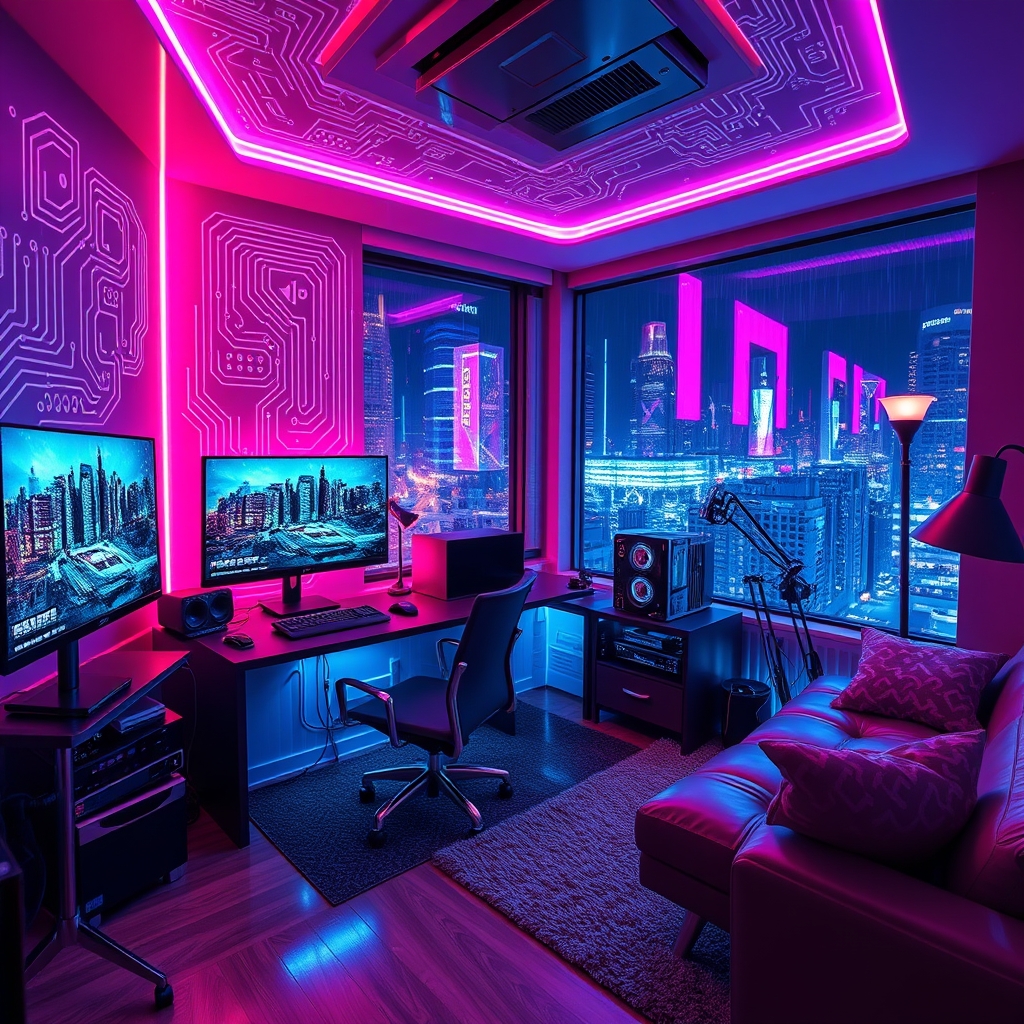
Key features you’ll see include digital displays, dynamic lighting, geometric furniture, and futuristic tech décor. Accessories such as circuit-inspired wall art, neon art, programmable LED panels, and metallic fixtures reinforce the theme. Smart technology integration—like voice-controlled lights, blinds, or sound systems—is essential for that futuristic touch. External sources like Home Wall Art Decor and dgexp.de explain the fundamentals of this style.
But the cyberpunk look isn’t just about the gear—it’s about layering all these elements with strategy and function, ensuring your room isn’t just visually stunning but practical too. For more inspiration and comparison, check out game room lighting ideas and recommended LED lighting for bedrooms.
Step-by-Step Guide: Building Your Ultimate Cyberpunk Room
Ready to transform your room? Here’s a step-by-step guide for a realistic cyberpunk room setup that balances wow-factor with function:
- Lock Down a Dark Base Palette. Start with dark walls or at least one black accent wall. Paint, large wall decals, or removable wallpaper work well.
- Add Neon and RGB Lighting. String neon LED strips along ceiling lines, desks, or shelves. Stack RGB smart lamps and wall panels for layered, dynamic lighting that can shift with your mood. For guidance on lighting layouts and safety, see our installation guide for LED strips.
- Integrate Metallic & Industrial Finishes. Think brushed steel desks, chrome shelving, and titanium frames. A few well-placed items will set the tone without overwhelming the space.
- Display Futuristic Tech and Retro Gadgets. Showcase exposed-circuit electronics, old keyboards, and smart speakers—anything that bridges retro tech with current innovation.
- Add Urban Details and Digital Displays. Incorporate graffiti decals, laser-etched wall panels, smart digital clocks, and vibrant digital art frames.
- Invest in Geometric, Modular Furniture. Opt for sharp lines, angular shelving, and stackable seating for a modular, adaptable vibe.
- Layer in Accessories. Plug in glowing mechanical keyboards, gaming desks, or exposed Edison bulbs. Hang neon wall art for a bold centerpiece.
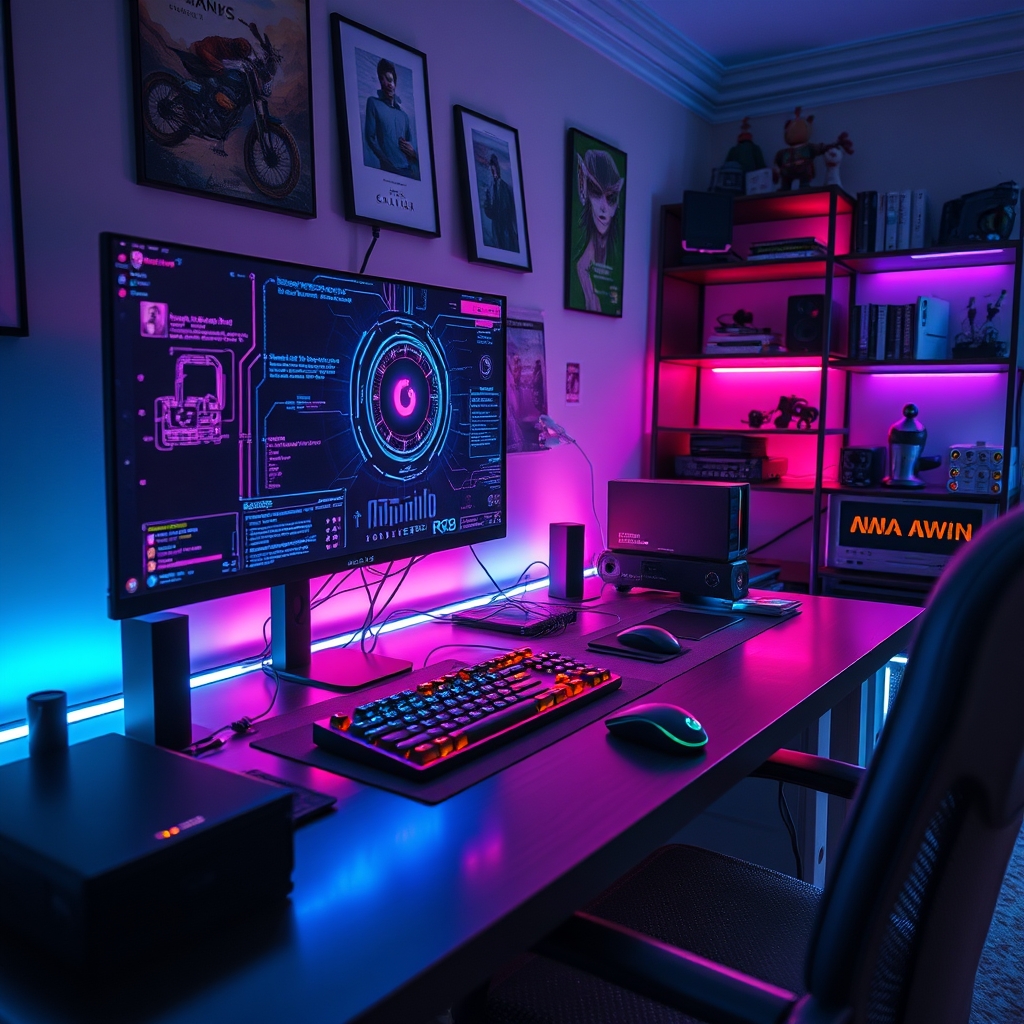
When planning your layout, leave enough space to access power outlets safely and hide unsightly cables using under-desk trays or cable sleeves. Check product reviews or community feedback in places like Dream Imaginations to get an idea of real-world product quality.
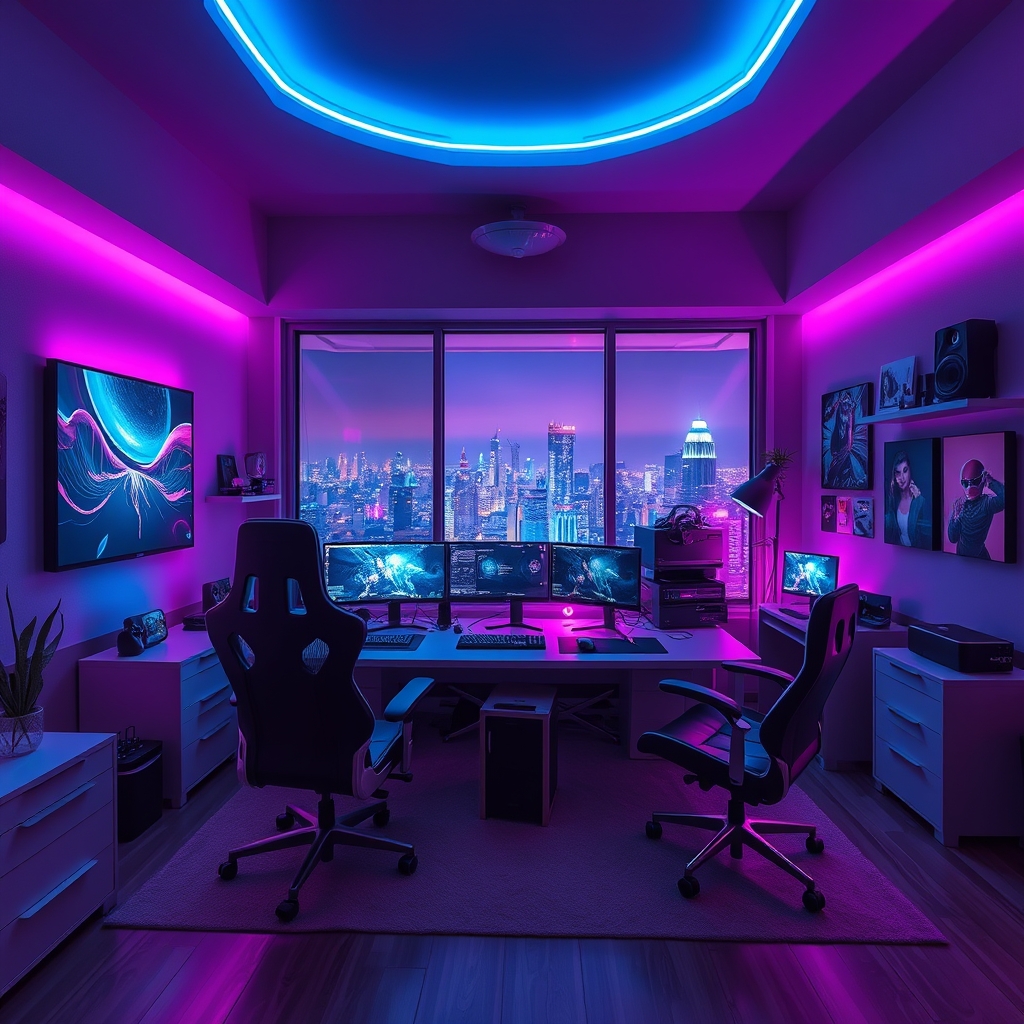
Lastly, if you’re designing a multipurpose space (like a gaming–work hybrid), map out zones using lighting color changes, rugs, or adjustable partitions. For more inspiration, visit our cool bedroom themes roundup and dorm room essentials list.
Advanced Analysis & Common Pitfalls
While a cyberpunk room setup looks amazing on Instagram or YouTube, several unexpected issues can emerge during planning and day-to-day life. Here’s what to watch for, together with a comparison table to help you choose the best lighting technology for your needs:
- Power Consumption and Outlet Limitations: Multiple RGB strips, smart panels, and electronics can overload circuits if not planned. Extension cords and multi-outlet adapters may clutter the aesthetic and introduce safety risks.
- Product Compatibility Issues: Not all brands of smart lighting or home tech communicate smoothly. Fragmented ecosystems mean you might juggle several apps.
- Heat and Maintenance: Cheaper LED strips and power supplies can overheat or lose brightness over time. Dust buildup in fan-cooled electronics or projectors is common, especially with high-use setups.
- Light Pollution: Too much neon can cause eye strain or disrupt sleep, especially without proper dimmer controls.
- Budget Creep: High-quality lighting, durable furniture, and advanced gadgets get expensive quickly. Plan your purchases and phases to avoid overspending.
Here’s a quick comparison of popular lighting options:
| Lighting Tech | Pros | Cons | Best For |
|---|---|---|---|
| RGB LED Strips | Affordable, flexible, easy DIY install | Can flicker; low-end ones fade fast | Accent lighting, under shelves, edge glow |
| Smart LED Panels | Programmable effects, app/voice control, high impact | Expensive, needs stable Wi-Fi, some brands incompatible | Statement walls, synced lighting scenes |
| EL Wire | Bendable, unique glow, safe low voltage | Less bright than LEDs, limited color range | Highlights, outlines, costume effects |
| Holographic Projectors | Ultimate wow factor, dynamic effects | Pricey, complicated setup, needs dark space | Feature walls, immersive events |
Whatever you choose, research each product’s reliability. Consider heat output, mounting needs, smart home compatibility, and how easy it is to replace parts. For even more detail and user experiences, check out comparison guides on dgexp.de.
Conclusion
A true cyberpunk room setup should excite, inspire, and fit your real needs. Use dark color bases, combine layers of programmable neon and smart lighting, and blend futuristic and retro tech for that classic sci-fi mood. Always plan for power, compatibility, and maintenance before buying, and remember to budget for quality where it matters. Ready to build your own futuristic retreat? Start small, experiment, and use the cyberpunk room setup principles in this guide to bring your vision to life.
Check our home decor trends roundup for more immersive ideas, and share your finished cyberpunk room with our community or in the comments below!
FAQ
What’s the minimum I need for a cyberpunk room setup?
Start with a dark color palette, some neon or RGB lights, and a few metallic or tech-inspired accessories. Even with a small budget, you can set the tone with basics like LED strips and a statement wall art piece.
Are smart lights necessary for a cyberpunk look?
Smart lights make effects and mood changes easier but aren’t essential. Standard RGB lights still achieve a cyberpunk vibe—it’s the colors and layering that matter most.
How do I avoid power overloads with all the tech?
Map out your power needs in advance, use surge protectors, and avoid plugging too many devices into a single outlet. Look for products with low energy consumption ratings to keep it safe.
Will this style work in a small room?
Yes—use mirrors to amplify light, stick to a few key accessories, and keep clutter to a minimum. Layer lighting vertically to make the most of tight spaces.
How do I keep the setup from looking messy?
Manage cables with sleeves or clips, hide power strips under desks, and invest in modular furniture with built-in storage. Less is more: focus on a few high-impact pieces.