


### Blog Post:
UV reactive room decor is transforming interiors with bold color shifts and immersive lighting effects. Whether you want a futuristic vibe for your gaming den or an unforgettable party space, UV decor offers affordability and endless creativity—but creating the perfect effect isn’t always as simple as it looks.
Key Takeaways
- UV reactive room decor is booming in popularity and more affordable than ever, but requires careful planning for safe and long-lasting results.
- Most modern UV products are non-toxic and made for indoor use, yet common mistakes with lighting and application still cause disappointment.
- DIY UV rooms succeed when you balance UV-reactive materials with proper room prep and avoid health and safety pitfalls.
- UV Reactive Room Decor: The Core Concept
- Step-by-Step Guide: How to Make a UV Room at Home
- Advanced Analysis & Common Pitfalls
- Conclusion
- FAQ
UV Reactive Room Decor: The Core Concept
UV reactive room decor uses materials that shift, glow, or dramatically change color under ultraviolet (UV or “blacklight”) illumination. These effects can transform ordinary rooms into immersive, otherworldly spaces for parties, gaming, creative studios, or simply bold self-expression. In recent years, UV-compatible decorations—paints, tapes, textiles, even faux plants—have exploded in popularity. According to Lumina Trends research, sales of UV-compatible holiday items rose by 142% between 2023 and 2024. One in six US households is expected to feature UV reactive elements in holiday setups in 2025.
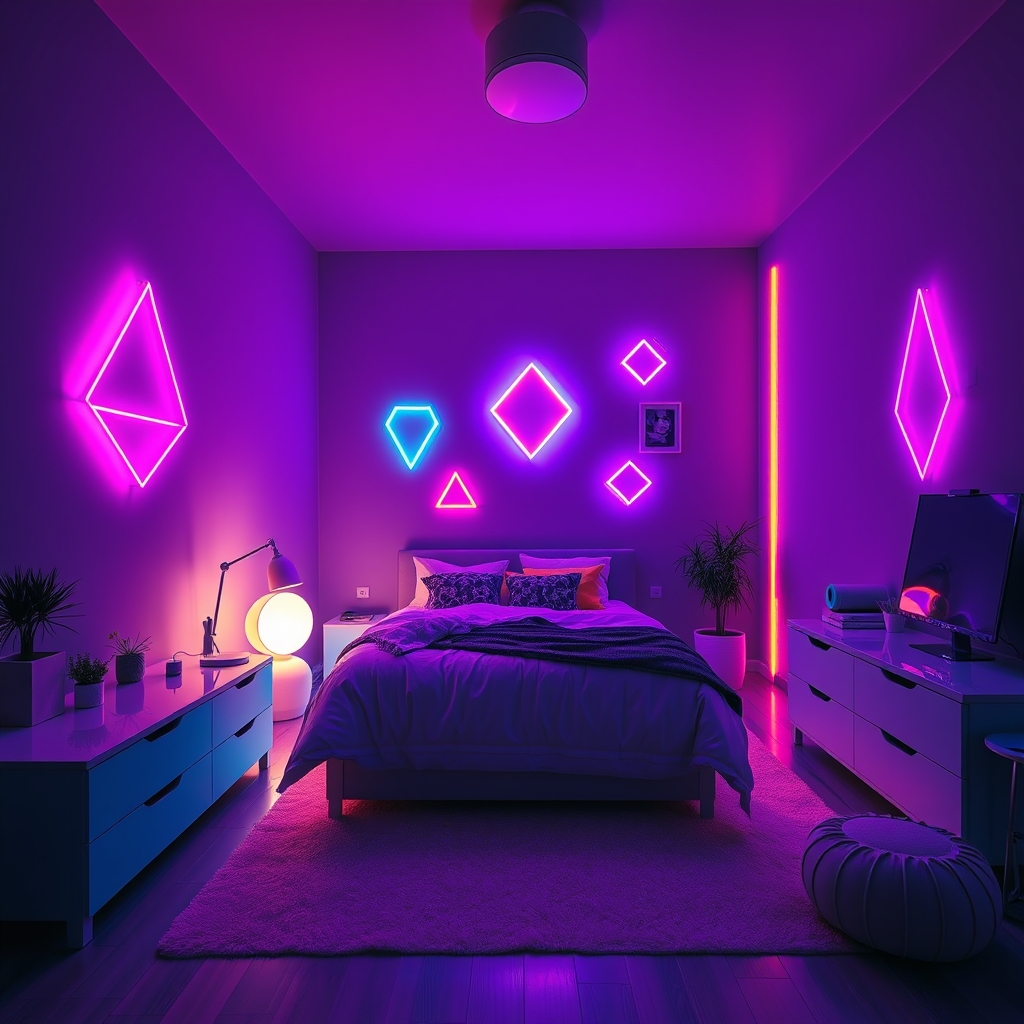
Decor that glows under UV light creates unforgettable visuals, from neon wall murals to glowing plants and patterned pillows. The secret is using materials and coatings that absorb invisible UV rays and then emit visible light. This is also why staging and layering light sources is crucial to your results.
As this trend grows, options abound—from ready-made tapestries and furniture accents to DIY paint and tape kits. Modern UV decor products are tested for indoor safety, ditching the harsh chemicals and off-gassing of early designs, making it easy to create vibrant effects even in small apartments or shared spaces.
For related inspiration and product ideas, explore our guide to glow in the dark wall art or see how UV features blend in with party room lighting ideas.
Step-by-Step Guide: How to Make a UV Room at Home
Turning a regular room into a UV-reactive space involves more than just installing a blacklight. Follow these essential steps for best results and lasting impact:
- Prepare Your Room: Choose a space with some ability to block out sunlight or white light. Clean all surfaces and remove dust—UV-reactive products adhere best to smooth, dry surfaces. Consider a temporary blackout curtain setup to maximize the UV glow effect.
- Select UV-Active Materials: Decide between ready-made UV-reactive tapes, wall decals, paints, and soft furnishings. Lower cost starter sets are widely available; modern kits cost under $60 compared to $200 a few years ago (source). Prioritize certified non-toxic, washable products, especially for bedrooms or kid spaces. Enhance your creativity by exploring UV-reactive options alongside trippy tapestry wall art and modular LED panel room decor.
- Test Lighting Options: Purchase high-quality LED UV strip lights or lamps. Portable units are easy to position and experiment with. Layer warm white LEDs for visual contrast and comfort—this prevents rooms from feeling clinical or “nightclub only.” Many interior designers recommend using discreet frosted glass diffusers to soften UV hotspots while maintaining effect.
- Application Tips: Start with small, hidden test areas to check adhesion, intensity, and washability. When painting, apply in thin layers for best results. If using tapes or decals, press down firmly and smooth out air bubbles. UV-reactive fabrics should be used in curtains or throw pillows to create movable accent zones. Add in mirrored objects or metallic details to bounce light around for dynamic results.
- Arrange Your Setup: Place or mount your UV light sources out of direct eye contact but aiming across major wall features. If possible, use a combination of fixed and motion-triggered blacklights for “dynamic reveal” effects.
- Final Safety Checks: Run your UV setup for at least one hour and evaluate heat, off-gassing, and comfort. Ventilate the room well if using paints or sprays—even modern water-based formulas should get time to off-gas fully before spending long periods in the space.
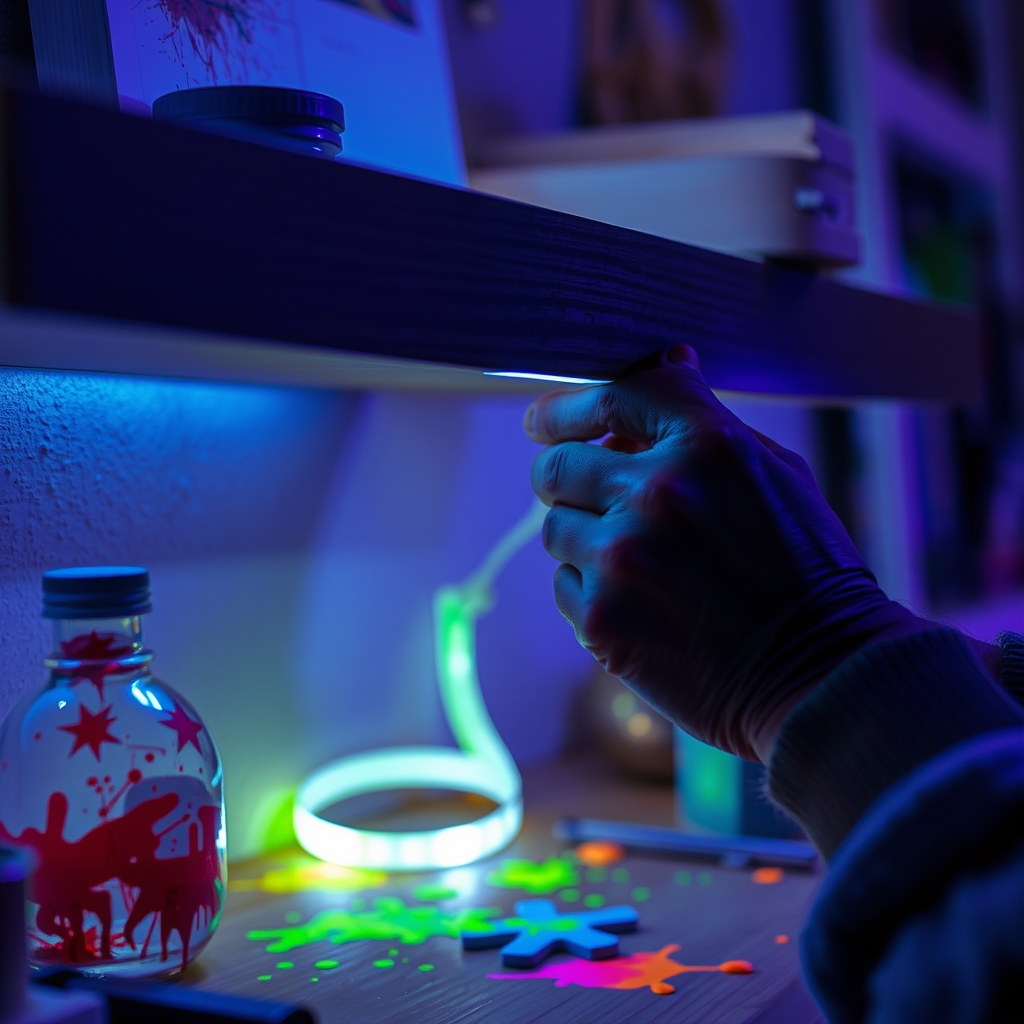
For expanded techniques, discover more ideas in our practical resources on how to make blacklight art and clever wall mural tips for beginners.
Advanced Analysis & Common Pitfalls
Despite the surge in popularity, many DIYers still run into preventable problems when creating UV reactive room decor. Here are the most common pitfalls, realistic drawbacks, and how to avoid them:
| Challenge | Common Problems | How to Avoid or Fix |
|---|---|---|
| Lighting Mismatch | Faint or uneven glow. Certain “UV” bulbs don’t fully activate paint/tape when used in daylight or with non-matching products. | Read all product specs carefully. Test all materials with your exact UV bulbs before large-scale application. |
| Product Durability | Decals or tapes peel, or paint fades after cleaning. Lower grade items sometimes degrade faster under UV. | Choose products labeled as washable and durable for indoor settings. Avoid “party only” or single-use kits for permanent setups. |
| Health & Safety | Older products off-gas VOCs or use unsafe phosphors. Prolonged direct UV exposure risks mild eye/skin irritation. | Only source modern, water-based non-toxic products. Position lighting away from direct sightlines and avoid “overexposure.” |
| Installation Mistakes | Paint smears, tapes bubble, or permanent damage to original wall surfaces. | Apply in small, thin layers with proper surface prep. Use temporary or removable products in rentals. |
| Budget Overruns | Starter kits seem cheap, but high-quality lighting/fabrics push total cost up. | Plan all purchases before starting. Compare value bundles and invest in good lighting for the biggest impact. |
- Lack of official safety certifications is a possible concern—modern UV home decor is generally safe per 2024 reports, but always check labels for “non-toxic” and “low-VOC.”
- Installation can be more challenging than it appears—work in phases, and always keep removal in mind for rentals or multipurpose rooms.
- If you’re adding to a child’s room or play area, opt for fabrics and paints labeled “washable” and confirm no small parts can detach.
For safe and sustainable decor tips, consider our breakdown of eco-friendly wall art materials.
Conclusion
The popularity of UV reactive room decor is soaring, and it’s simpler than ever to experiment with dazzling glows or bold accents at home. Modern materials are affordable, safe, and versatile, but the most impressive results require careful product selection, deliberate lighting, and attention to prep and cleanup. If you want to join the trend, start with small, testable projects, then layer creativity over time. Ready to make your space stand out with UV reactive room decor? Compare your favorite materials, source verified products, and get glowing today!
FAQ
Is UV reactive room decor safe for bedrooms and everyday spaces?
Yes, most modern UV-reactive paints, tapes, and fabrics are designed to be non-toxic and safe for indoor use, including bedrooms. Always confirm products are water-based and labeled for indoor spaces.
How much does it cost to make a UV room?
Starter UV-reactive room decor kits now cost under $60 for enough paint, tape, or decals for a medium room. Budget extra for quality blacklights, as lighting is key to the final effect.
Do UV-reactive products last, or do they fade quickly?
High-quality UV-reactive paints and tapes can last for years if applied properly. Frequent cleaning or direct sunlight exposure can reduce longevity, so follow care instructions and avoid harsh chemicals when cleaning.
Are there any health concerns with blacklights in a UV room?
Brief exposure to consumer-grade UV lighting is generally safe, but direct prolonged exposure may cause mild eye or skin discomfort. Install lights so they don’t shine directly in eyes, and use certified equipment from reputable suppliers.
What’s the best way to remove UV-reactive paint or decals?
Most modern UV-reactive paints are water-based and can be removed with soapy water and gentle scrubbing. Decals and tapes should peel cleanly; in stubborn cases, heat with a hair dryer to loosen adhesives.